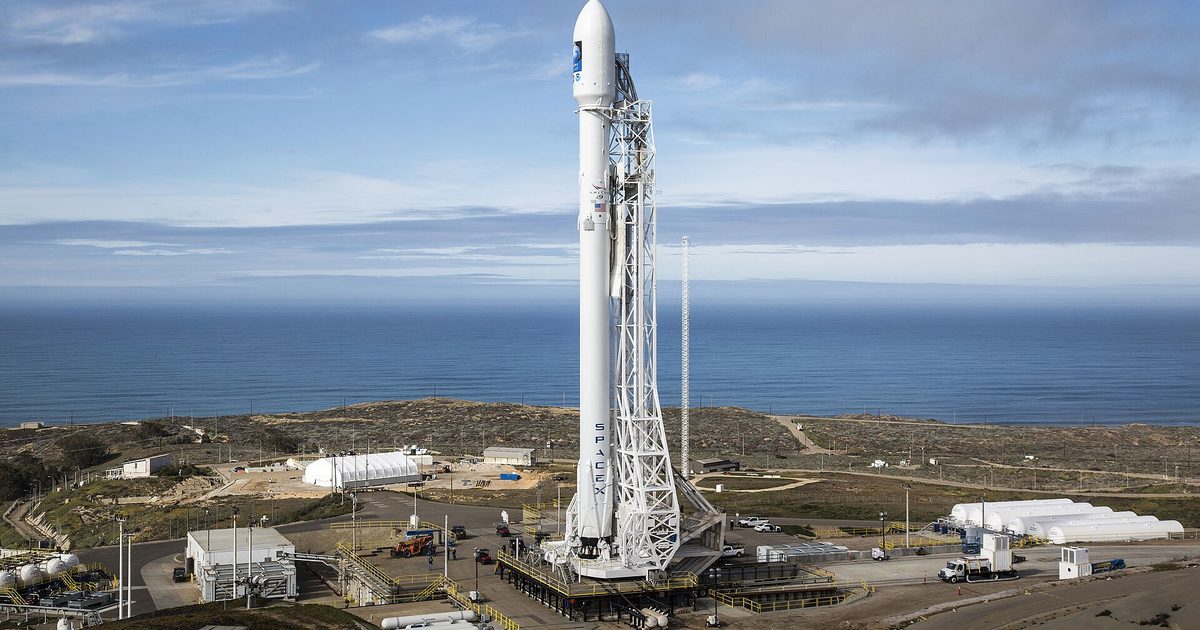
What happened
SpaceX just bet $74 billion on AI compute, and Grok is the reason it needs it. The company said on Thursday 12 November 2026 that it plans to invest more than $74 billion in two artificial intelligence supercomputing campuses: more than $24 billion at its Starbase site in Texas, and roughly $50 billion in Cochise County, Arizona.
The Arizona campus is the bigger of the two. It would sit on about 747 acres near the Willcox Playa, with nine buildings in four phases of roughly 1.5 GW each, drawing up to 6 GW at full build-out. SpaceX says it would use dry cooling with no planned industrial groundwater use, and could create roughly 5,500 construction jobs and 1,000 permanent roles. Construction could start in March 2027, if approvals come through.
The Texas campus covers about 444 acres at Starbase, near the Port of Brownsville, with its own gas-fired power plant beside the supercomputing facility, generating its own electricity rather than drawing from the Texas grid.
Here is the part the headlines skip: neither project is approved yet. Both face local decisions on the same day, 9 December 2026, a Cochise County planning and zoning hearing on the Arizona special-use application (SU26-22), and a Starbase City Commission vote on a property tax abatement in Texas. A petition with about 2,400 signatures asks the county to deny the Arizona permit. The $74 billion is SpaceX’s own figure for planned spending, not money already spent, and the company gave no split between buildings, power and chips.
SpaceX’s AI segment generated more than half of its third-quarter revenue, according to the company’s statement, the clearest sign yet of why it is spending at this scale.
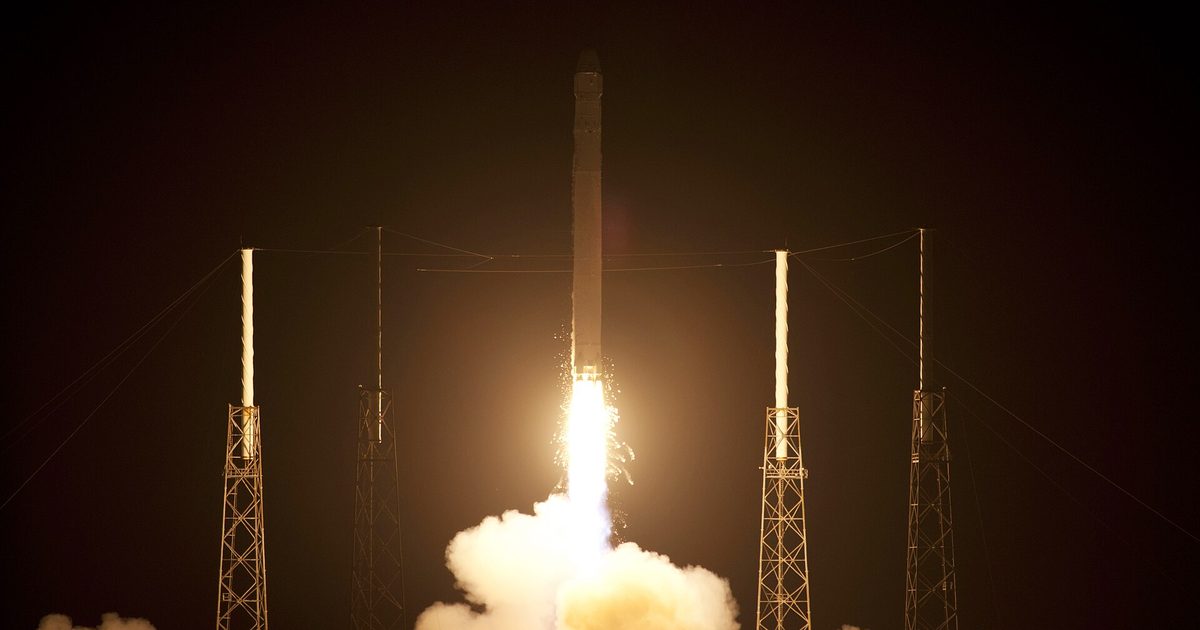
Photo: NASA, public domain, via Wikimedia Commons
Why it matters for developers
Compute is the bottleneck for every coding agent, and the company behind Grok just announced the largest AI infrastructure bet of the week. If these campuses are built, the next Grok models will have far more hardware behind them, more capacity, and in principle, faster and cheaper inference for the people who build on Grok.
But this is a plan, not a built data centre. Nothing changes for Grok Bot or Cursor users today. No new model launched, no price changed, and no capacity was added on 12 November. What matters is the signal: AI compute demand is still outrunning supply, and the labs are now buying land, power plants and counties’ worth of approvals to close the gap. When the biggest AI spenders start building their own power plants, the cost of compute, and therefore the cost of your agent, is a story to watch for years, not weeks.
What changes for Claude Code / Cursor / Codex users
- Claude Code: nothing changes today. Claude’s compute is Anthropic’s problem, not SpaceX’s, but if Grok gets dramatically cheaper to run, every other lab’s pricing gets compared against it.
- Cursor: nothing changes today. Cursor users on Grok models should watch the 9 December votes, not the $74 billion headline: approval is the step that turns a plan into capacity.
- Codex: nothing changes today. The same logic applies. This is a supply story for 2027, not a feature story for this week.
What to watch next
- 9 Dec 2026: Cochise County hearing: the planning and zoning commission hears application SU26-22 for the Arizona campus.
- 9 Dec 2026: Starbase tax vote: the Starbase City Commission considers the property tax abatement for the Texas campus.
- March 2027: possible Arizona construction start: only if zoning is approved. If either vote fails, the $74 billion plan shrinks fast.